Trailers are essential. They can be both the first encounter someone has with your game and the last thing they watch before purchasing. I don’t make trailers myself, my Adobe Premiere skills stretch no further than reformatting and endslates, but I have budgeted, briefed and gameplay captured many over the last five years.
Below are some answers to common questions about trailers that stem from lessons learned across projects of varying size and genre. Ultimately what approach you take to trailers will depend on your own circumstances and the unique points of your game. Nonetheless, there’s plenty below to be thinking about.
How much should I spend and how?
You can’t make a trailer for nothing. It’ll always you time or money – usually it’s plenty of both. Before you can work out a cost you’ll need to create your brief. The more detail you can go into with desired footage, cuts, VFX, messaging, specifications and everything else, the greater your chance of getting accurate cost. You’re also likely to be saving time and money with fewer edits.
If money is your limiting factor then there are ways to lower trailer production costs with external suppliers. You can undertake footage capture yourself, produce VO, animation, etc. Whatever resources you have access to you can use and most good trailer production teams will be willing to work with that. The caveat is that there may be specific instructions you’ll need to follow to ensure compatibility between your contributions and their production needs.
Go out there and get quotes and feedback on the viability of your brief. Then you’ll know how much you need to spend and where to do so.
This post isn’t a living document so sharing specific individuals or companies that make trailers will just result in it being out of date. Research is essential. Watch plenty of trailers produced by folks you’re interested in working with and reach out to others in the industry to ask who they’ve enjoyed working with. When researching remember that you’re not looking at “how many views does this trailer have?” as trailers can be used on storefronts and uploaded by press and enthusiasts. Instead ask “does this trailer make me want to play this game?”
Can I have just one trailer?
If you really can only afford to make one trailer then you need to make it adaptable. You can achieve this by first ensuring your trailer conveys all your game’s USPs in a way that matches its tone and themes. Then the versatility comes in afterwards.
Having a fade to/from black at the beginning/end respectively ensures frontslates (ie. age ratings and platform holder mnemonics) and endslates can be quickly edited at a future date. Hot VFX as your release date blasts into view at the end are great but not if you can’t afford the editing time/cost to update it if there’s a shift. This strategy also applies to your calls to action (pre-order, buy, etc).
Keep it platform agnostic where possible. Ensure your gameplay is free of button prompts and any platform exclusive features. You’ll also need to output in a variety of formats for different platform stores or marketing channels so make sure all these are briefed in before production.
Some press may not cover your game multiple times if there’s only one video asset. That’s fine, focus on the ones that will. A relevant and engaging story can be told through text, artwork or screenshots as well. If you have PR support they should be able to advise on how best to deploy your single trailer.
Having more than one trailer to highlight different areas of your game or target different audiences is great, but it’s better to pour resources into one killer asset than two ‘alright’ ones. There’s other video content you can publish in addition to trailers that are often be less resources consuming. Examples would be dev streams or tutorial videos.
What else do I need to have?
Metadata is the information about your trailer. It’s things like the title, keyword tags, descriptions – everything except the video. All of this should go out with you trailer as part of any press activity, though remember that the press will use it (or not use) it as they see best for their audience.
Trailer title is important. By all means be creative with your title if it fits in with what your video is about. Just remember that your game’s title, platforms and ‘trailer’ are important title keywords for search performance. At the time of writing PlayStation’s YouTube channel requires trailers be listed in a ‘[Game Title] – [Trailer Title] | [Platform]’ format. This is a solid one to use across the board if you want to convey all your key data.
Thumbnails are essential for YouTube. They’re a way to reach players before they’ve even clicked on your trailer. If you’re unsure what to do with this space then check out the YouTube channels of any indie publisher to see the full range of possibilities including picked screenshots, logos, calls to action, copy tags, critical acclaim and more. Use the assets that best evoke your game and what your goal with the trailer is. Make sure that that it’s legible at both 1280 x 720 and 210 x 118 resolutions, customers will be seeing plenty of the latter size on YouTube.
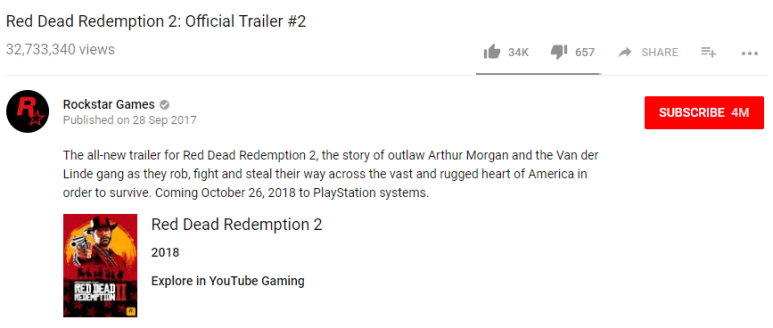
Some publishers don’t bother with descriptions. Check out anything by Rockstar Games and you’ll see they just use a couple lines of copy with no links and no calls to action. This is the privilege you get with 4 million subscribers and the most profitable entertainment product of all time. You are not Rockstar Games (if you are though, hi) and you need to pay more attention to your description. Ensure you have a call to action and relevant link in your description to help drive viewers wherever you need them to go.
Your trailer will also exist outside YouTube on platform stores and embedded into press sites, these will have their own restrictions but the lessons learned here will apply elsewhere.
Will my trailer make my game successful?
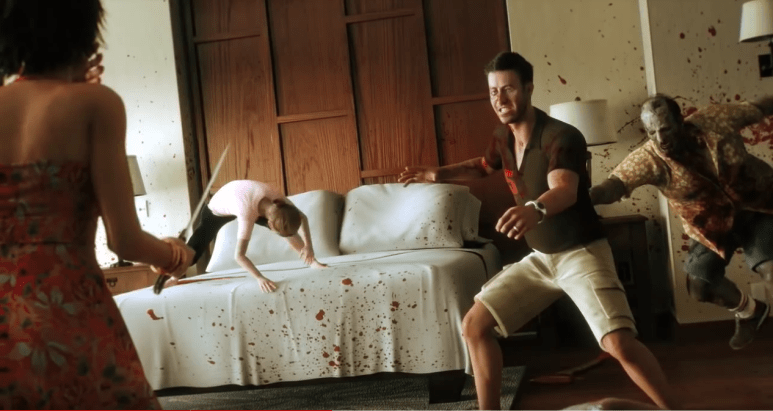
It’s easy to fixate on titles that have had standout trailers. Dead Island’s 2011 reverse-a-thon regularly ranks among both the best trailers and most deceptive trailers of all time. Kotaku says it well:
For many people, the gold standard in video game trailers. Memorable, emotional…and yet, it’s legacy is somewhat tainted, because people remember it as much for the impact it had on them at the time as they remember the feel of the actual game was nothing like this sombre, moving clip.
Your trailer can have embellishments, be in a different visual style, or not feature any gameplay at all. This is why you’ll see ‘in-engine’ or ‘not actual gameplay footage’ so often. For indie games I would usually choose a gameplay trailer over something like this unless there was a big creative idea burning away or it was a small budget experimental project. Even very niche indie games can still use gameplay as you’ll see in the next section.
At the end of the day we’re here to sell games and a trailer is a powerful tool to inform consumers and build hype, but it shouldn’t be seen as a self-sufficient sales channel. It should exist as part of a wider PR and marketing plan. Sometimes a trailer alone can sell a game, but this is not the norm and having a wider plan certainly won’t hurt you.
What do I do if my game is niche?
There’s plenty of wonderful games out there that have a very specific audience or less of a focus on visuals in favour of mechanics. Football Manager games often shoot for live-action pieces as it’s a simulation of a very real passion. The draw is the emotional aspect of play rather than the spreadsheeting (however satisfying fans may find that). Grand strategy series Hearts of Iron IV features a mix of archive footage, gameplay and animated artwork to transform a world map into an epic tale of alternate history.

You don’t need visuals that are Triple A, Triple I, or another acronym to sell your game with gameplay. Emily Is Away Too is a game which relies on players being captured by it’s pixelated recreation of the internet circa 2006, either from nostalgia or curiosity. It uses nothing but gameplay to great success despite the low fidelity. If your game has a style, however simple or low-poly, don’t be afraid to use it. Instead, just take extra consideration about how music, artwork and voice could also be used to evoke the feel of playing. Lean into the experience you’re trying to provide.
Here are some more trailers for games that I feel work well at presenting their niche titles:
- March to Glory – This is a turn-based Napoleonic strategy game that goes hard on the Beethoven right at the start. A slick map transition highlights authenticity and the USPs for fans of the genre are offered clearly.
- Pendragon Rising – How do you sell a $4 text adventure that has no art? This is how. These trailers from Choice of Games won’t win any awards but they sell the feel of the game and openly embrace the fact that you’ll be doing a lot of reading.
- Visual Novel Maker – Okay, it’s software, but this seriously wants me to start making a visual novel. Probably one where you open a cat cafe, fall in love with customers, and get dating advice from cats.
Should I do a behind the scenes feature?
I will be blunt – is there a story you have to tell about the development of your game that you feel, hand-on-heart, can only be told with a Behind The Scenes (BTS) video?
Yes? Ok, go for it!
I’m not criticizing things like gameplay Dev Diaries and live Q&As, they’re great if you can fit them in with your development and marketing plans. My accusatory finger is pointed at professionally shot and edited content that’s great to watch but fails to perform because it doesn’t resonate. It can be a huge drain on resources.
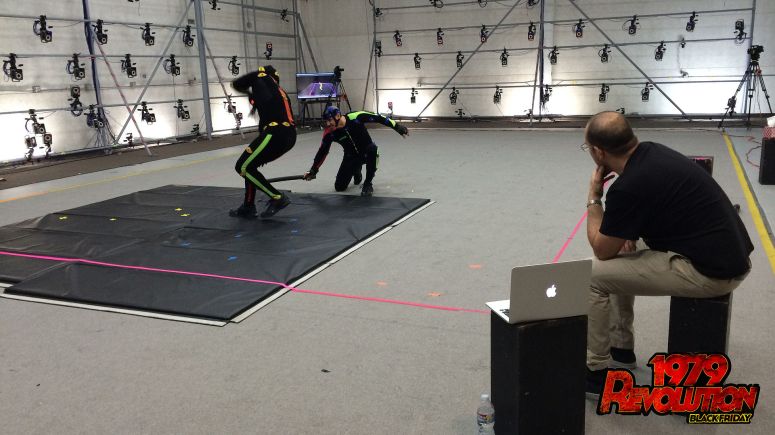
AAA studios create these videos to augment existing hype for their huge projects. They exist to give fans a peek into the development of their favourite franchises and to put a human side on the development process. It’s very likely that your game won’t have a huge and content hungry audience like this before release.
On smaller projects game details may change rapidly and you’ll find yourself with video out there that has incorrect details about your game. If it’s (fortunately) been picked up with a lot of press then it’ll be a challenge to take down and possibly very expensive to update.
If a BTS video is something you’re hyped to do then you can consider waiting until after launch. You may find yourself with a burgeoning audience that’s keen to know more about you and where you’re going next (game updates / new projects). You’ll also have the benefit of hindsight to offer learnings about your project and a full story from inception to launch. It may even be useful in future pitching. On the other hand, if your game is struggling or there’ s a new opportunity that’s really grabbed you you’ll be in a position to invest elsewhere.
Nonetheless, should you decide to do a BTS video, here’s what I think is essential:
- Be genuine, don’t embellish game details or development details. Players can smell bull****.
- If you’re determined to go solo on filming then spend plenty of time checking audio and lighting in your studio before starting.
- Make sure whatever you create is integrated into your marketing and PR plan. Don’t let a great video become forgotten. This does happen.
Can you show me a bad trailer?
This isn’t something I can do. Trailers are subjective. What sells a game to me may not sell it to you and that’s okay. The only bad trailers are ones that set out on purpose to deceive an audience.
Great, so how do I make a good trailer?
There’s a lot of guidance I’ve offered above, however what specific things should go in your trailer and how you implement are big questions with massive variance per project. Nevertheless, here’s some more tips from others on the art of making trailers that should act as a next step in planning yours.
Capturing Great Footage For Game Trailers – Derek Lieu
Top tips for making a kickass trailer – Haley Uryus
Making Entertaining and Engaging Video Game Trailers – Kert Gartner
How to make an awesome trailer (on a budget) – Jan Serra
 Nick Marshall